
Hoya Kerrii Care Guide: Light, Water, Soil & Common Problems
Learn how to care for Hoya Kerrii (Sweetheart Plant) with practical tips on light, watering, humidity, soil, fertilizer, propagation, and troubleshooting common issues.
Hoya Kerrii Care Guide
Hoya Kerrii (Hoya kerrii), often called the Sweetheart Plant, is loved for its iconic heart-shaped leaves and low-maintenance nature. It’s ideal for growers who want a hardy plant with unique form.
Quick answer: Give Hoya Kerrii bright indirect light, let soil dry most of the way between waterings, and use a fast-draining succulent-style mix.
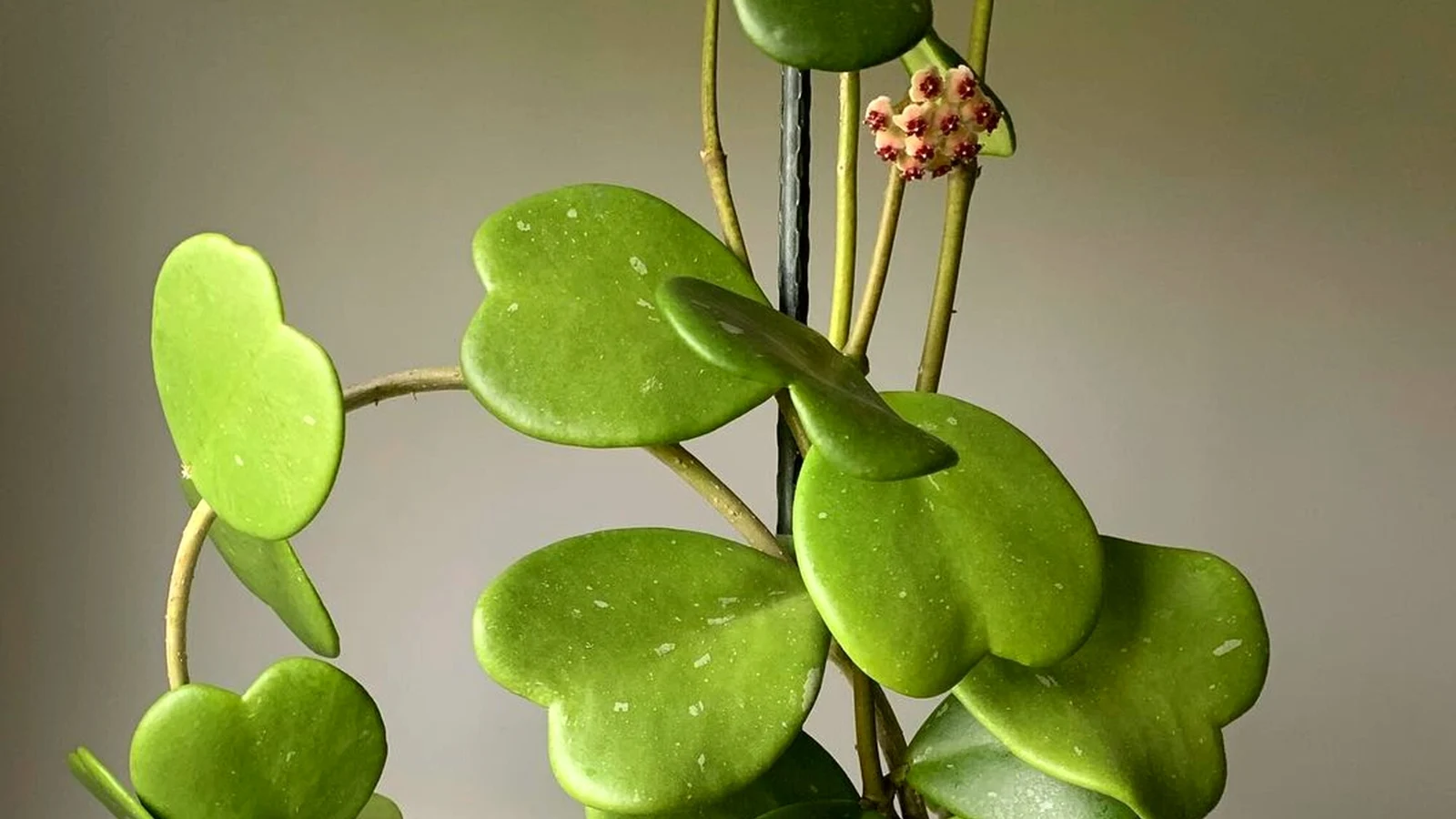
Plant Snapshot (At a Glance)
- Botanical name: Hoya kerrii
- Common names: Sweetheart Plant, Valentine Hoya
- Plant type: Semi-succulent tropical vine
- Native range: Southeast Asia
- Difficulty: Beginner to intermediate
- Pet safety: Mildly toxic if ingested (sap may irritate)
- Best placement: Bright windowsill with filtered light
Light Requirements
Hoya Kerrii grows best in bright, indirect light and can take gentle morning sun.
- Ideal: east or bright south window with light filtering
- Tolerates: moderate light, but growth slows
- Avoid: prolonged harsh afternoon sun
Signs your light is off
- Too much light: scorched or bleached patches
- Too little light: no new growth, stretched stems
Watering (How Often to Water Hoya Kerrii)
Water when the soil is mostly dry.
- In spring/summer: often every 10–14 days
- In fall/winter: less often
- Always: drench, then drain completely
Avoid overwatering: This is the most common issue with Hoya Kerrii.
Water Quality Tips
- Filtered water is preferred but not mandatory
- Avoid letting water sit in saucers
Humidity & Temperature
Hoya Kerrii prefers:
- Humidity: 40–60% (higher is fine)
- Temperature: 65–80°F (18–27°C)
Protect from cold drafts and temperatures below 60°F.
Best Soil & Pot Type
Use a very well-draining mix.
Recommended Mix
- 50% cactus/succulent mix
- 25% perlite or pumice
- 25% orchid bark
Pot: Drainage holes are non-negotiable.
Fertilizer Schedule
Feed during active growth:
- Balanced liquid fertilizer at 1/2 strength
- Every 4 weeks in spring/summer
- Pause in winter
Repotting
Repot every 2–3 years or when tightly rootbound.
Hoyas often flower better when slightly snug in their pot.
Pruning & Grooming
- Remove dead growth only as needed
- Avoid cutting long bare tendrils; they can produce new leaves/flowers
- Rotate for balanced growth
Propagation
Most reliable method: stem cuttings with at least one node.
Steps
- Take a cutting with 1–2 nodes
- Let cut end callus briefly
- Root in water, sphagnum, or airy potting mix
- Pot up once roots are established
Common Problems (and Fixes)
Yellow Leaves
Likely cause: Overwatering
Fix: Increase dry-down between waterings.
Wrinkled Leaves
Likely cause: Underwatering or root stress
Fix: Water deeply and check root health.
No Growth
Likely cause: Low light or single-leaf cutting without node
Fix: Improve light; verify plant has viable stem node.
Pests (Mealybugs, Spider Mites)
Likely cause: Indoor pest spread
Fix: Isolate and treat weekly until clear.
Is Hoya Kerrii Toxic to Pets?
Hoya species are generally considered mildly toxic/irritating if ingested.
Safety note: Keep out of reach of pets and children.
FAQ
Can a single heart-shaped Hoya leaf become a full vine?
Usually no. Single-leaf cuttings without a node rarely produce a full trailing plant.
How much sun can Hoya Kerrii handle?
Bright indirect light is safest; brief gentle morning sun is usually fine.
Why isn’t my Hoya Kerrii flowering?
It often needs stronger light, maturity, and stable care over time.
Related Care Guides
- Beginner Exotic Houseplants That Still Look Rare (2026)
- Rare Houseplants in 2026: 15 Species to Watch
- Pet-Safe Tropical Plants for Cat and Dog Homes
Final Thoughts
If you treat Hoya Kerrii more like a semi-succulent than a thirsty tropical, it stays healthy with minimal fuss and can reward you with fragrant blooms when mature.
Exotica Botanica – your trusted source for rare houseplant care guides, tips, and tools.